The tours · Migrations
Leaving and arriving: Genoa, city of migrations
In the late nineteenth century more than half of Italy’s emigrants sailed from Genoa, bound for Buenos Aires, Montevideo, São Paulo and New York. On the same quays, in every age, people have arrived in search of refuge or work. In two hours we follow both routes, from the station where the emigrants’ trains pulled in to Porta dei Vacca, by way of the liner pier and Via Prè.
- Duration 2 hours
- Route From Piazza Acquaverde to Porta dei Vacca, about 1.4 km, all on the flat
- Languages Italian, Spanish, English
- Group Up to 15 people
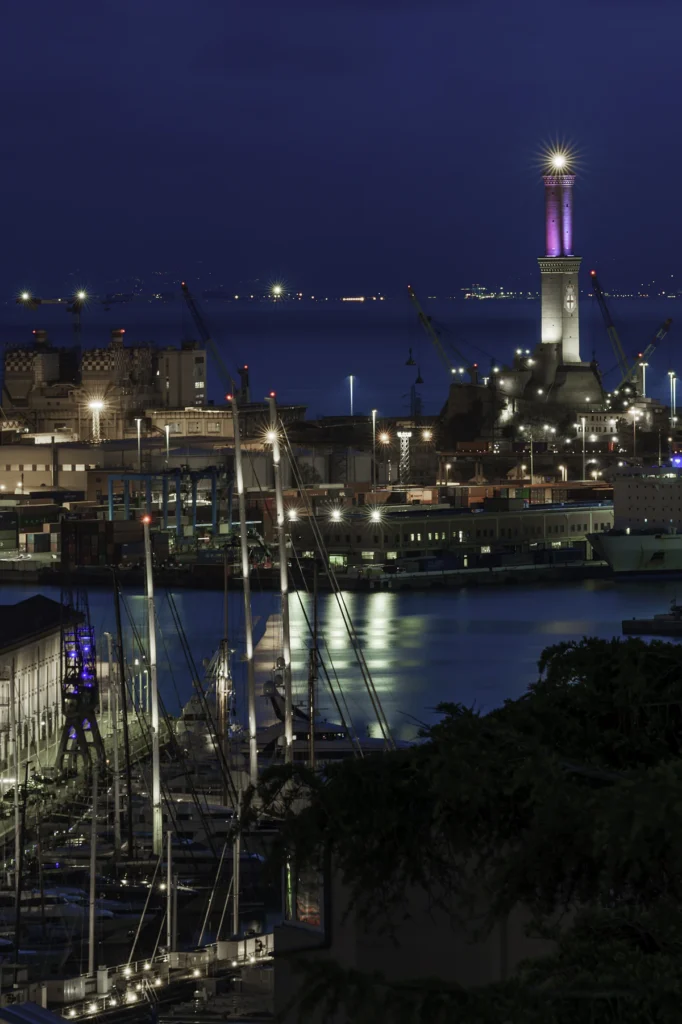
1884
The year Edmondo De Amicis boarded an emigrant steamer in Genoa bound for Argentina. The voyage became Sull’Oceano, published in 1889.
The route, stop by stop
Six stops between the railway and the sea, in the order the emigrants lived their journey: arriving by train, waiting, boarding, crossing. Then back into the city, with those who came to Genoa.
- Piazza Acquaverde and Principe station At the foot of the Columbus monument, families arriving from the countryside stepped off the trains. Days could pass before boarding, among inns, agencies and middlemen.
- The Commenda di San Giovanni di Prè Founded in 1180 as a hospice for pilgrims and crusaders bound for the Holy Land: a medieval maritime station. Today it houses the National Museum of Italian Emigration.
- Ponte dei Mille The liners for the Americas sailed from these quays. In 1926 about twelve thousand emigrants left Genoa, almost eight thousand of them for Argentina.
- The Galata: the crossing The voyage told by Edmondo De Amicis, who embarked here in 1884 with 1,600 emigrants, and the wreck of the Sirio, which left Genoa in 1906.
- Via Prè: those who arrived The harbour street par excellence: southern Italians after the war, then Latin American communities. Today the largest is Ecuadorian, mostly from Guayaquil.
- Porta dei Vacca and La Boca Beneath the medieval gate we tell the story of La Boca in Buenos Aires, where in the late nineteenth century Genoese was everyone’s language and Boca Juniors fans are still called xeneizes, the Genoese.
Route map
About 1.4 km on foot, all on the flat, from Piazza Acquaverde to Porta dei Vacca. Open the route in Google Maps
Who it’s for
For anyone with a great-grandfather who left from Genoa, for those arriving from the Americas on the trail of their family, for those who want to understand today’s city through its arrivals and departures.
Good to know
- We walk at an easy pace, with frequent stops. The old town has short climbs and uneven paving: I recommend comfortable shoes.
- Private and group visits on request, on a date and at a time to be agreed.
- At the end you receive the references for the sources used during the tour, so you can look them up at home.
- The museums along the route can be visited independently, before or after the tour.
The other tours
01
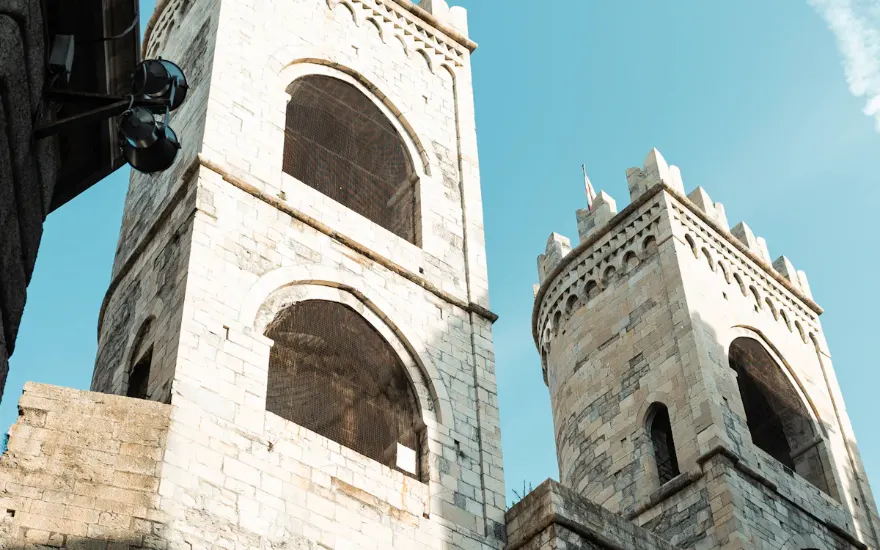
Medieval Genoa: towers, merchants and crusaders
The walls raised against Barbarossa, the towers of rival families, the cathedral and the palace where, according to tradition, Marco Polo was held prisoner.
02
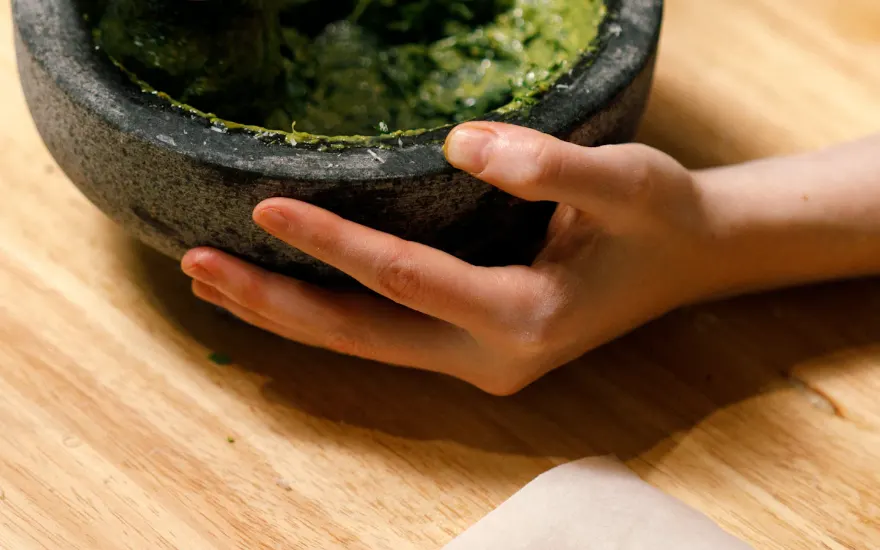
From the port to the table: the history of Genoa in what it eats
From Sottoripa to the shops that still fry, knead and candy as they always have. With an optional final stop at a local eatery.
03
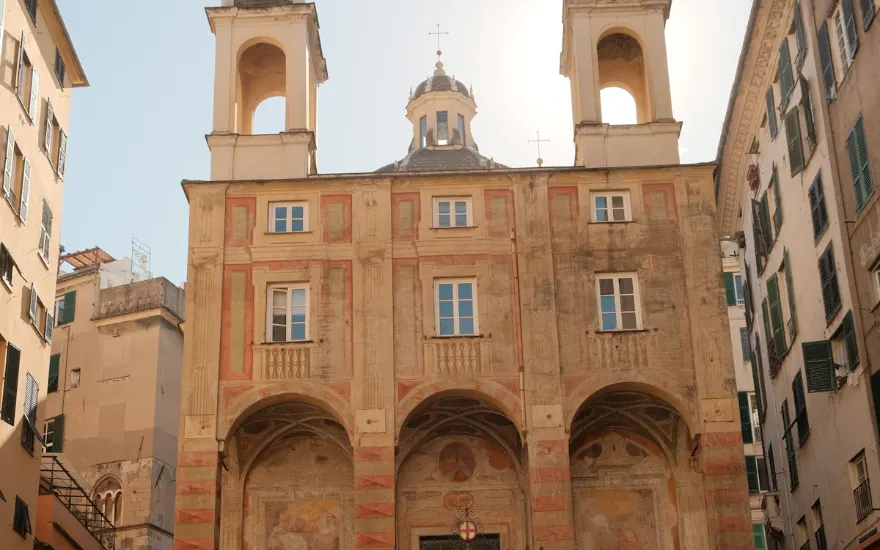
The secrets of the caruggi
Votive shrines, carved portals, a church built above shops and the palaces where the Republic hosted kings and ambassadors.
04
Genoa and Spain, there and back
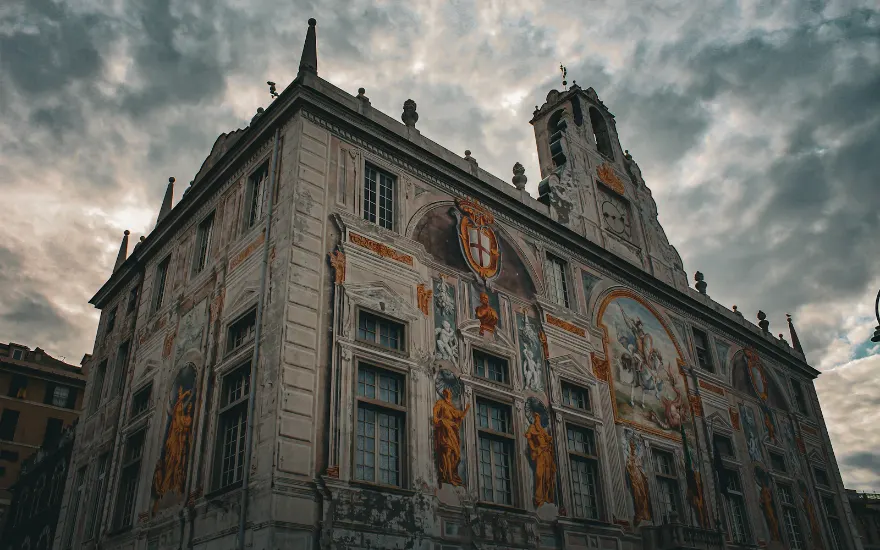
The refugees of 1492, the bankers to the Crown, the captain in Don Quixote and the Genoese who founded Nueva Tabarca.
Choose your tour and write to me
Write to me for upcoming dates, to arrange a private visit or to bring a group. I reply within 24 hours.